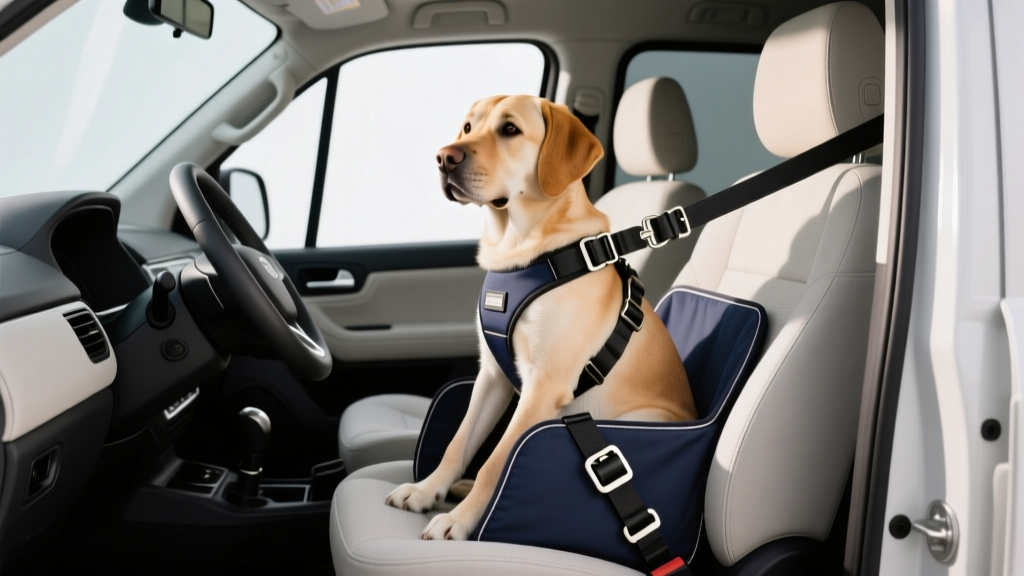
Commercial Vehicle Dog Seat Belt Setup (2026)
If your workday involves a van, pickup, or fleet vehicle, you already know the cabin isn?t just a place to drive?it?s a mobile office, a storage room, and often a place where your dog tags along. Whether your pup rides with you to job sites, deliveries, ranch work, or weekend adventures, a proper dog seat belt setup in a commercial vehicle is one of the simplest upgrades you can make for safety and comfort.
An unrestrained dog can become a serious distraction, get injured during sudden braking, or even interfere with airbags and controls. For commercial drivers, there?s another layer: compliance. Many businesses have safety policies, insurers may require restraint use, and some jurisdictions treat unrestrained pets similarly to unsecured cargo. Setting up a dog seat belt correctly keeps your dog secure, protects your interior, and helps you stay focused behind the wheel.
This guide walks through choosing the right restraint, installing it in common commercial vehicle layouts, and avoiding the most common setup mistakes. You?ll also find product-type comparisons and practical tips based on how real vans and trucks are used every day.
What ?Dog Seat Belt? Really Means (And Why It Matters)
A ?dog seat belt? is usually one of these systems:
- Seat belt tether: Clips into the vehicle?s seat belt buckle and connects to your dog?s harness.
- Latch/ISOFIX tether: Connects to child-seat anchors (if equipped) and attaches to a harness.
- Crash-tested harness + tether: A purpose-built harness designed to distribute forces and reduce injury risk.
- Travel crate + tie-downs: A secured crate in cargo space (common in vans/SUVs) using straps or cargo anchors.
In a commercial vehicle, you?re often dealing with:
- Bench seats, vinyl interiors, and limited rear-seat space
- Partition cages (solid or mesh) between cab and cargo area
- Cargo floors with tie-down rails, D-rings, or none at all
- Frequent stops and starts (delivery driving is hard on restraints)
The goal is straightforward: keep your dog restrained in a way that limits forward movement, prevents roaming, and avoids entanglement?without compromising your ability to drive.
Before You Buy: Check These Vehicle and Dog Factors
1) Your vehicle layout
- Cargo van with partition: Best solutions are often a secured crate in the cargo area or a tether setup in the cab if the dog rides up front (not ideal).
- Crew cab pickup: Rear seat is often the safest spot; tether to a seat belt buckle or LATCH anchors (if present).
- Single-cab pickup: Space is limited; a compact crash-tested harness and short tether is usually the practical option.
- Flatbed or regular cab work truck with toolboxes: Consider whether a properly secured crate can fit; avoid letting dogs ride loose on seats where they can slip into footwells.
2) Your dog?s size and behavior
- Small dogs benefit from short tethers that prevent jumping into the driver?s lap.
- Medium/large dogs need stronger hardware and more robust harness construction.
- Chewers may require chew-resistant webbing or cable-reinforced tethers.
- Anxious riders often do better with a crate or a hammock + harness combo for a ?den-like? feel.
3) Where you want the dog to ride
- Back seat: Usually best for passenger vehicles and crew cabs.
- Front passenger seat: Sometimes unavoidable in single-cab work trucks, but it?s not the safest place because of airbags.
- Cargo area: Great option if you can secure a crate properly and maintain ventilation.
Product Types and What Works Best in Commercial Vehicles
Option A: Seat Belt Tether (Buckle Clip Style)
Best for: quick installs in fleet vehicles, rear seats, occasional dog transport.
Pros: easy to move between vehicles, affordable, minimal tools.
Cons: quality varies widely; some buckle clips can deform; not all are crash-tested.
What to look for:
- Locking carabiner (screw gate is a plus)
- Short adjustability range (prevents tangling)
- Metal hardware (avoid plastic snap hooks)
- Thick webbing, reinforced stitching
Option B: Crash-Tested Harness + Tether
Best for: frequent driving, higher speeds, drivers who want the most proven protection.
Pros: better force distribution; typically stronger construction and better instructions.
Cons: higher cost; sizing must be precise.
Real-world fit tip: A harness that?s too loose will allow extra forward travel during braking. In commercial stop-and-go routes, you?ll notice more shifting and tangling, too.
Option C: Secured Travel Crate in Cargo Area
Best for: cargo vans with partitions, dogs that do better enclosed, protecting seats and doors from scratches.
Pros: containment + fewer distractions; easier to keep interior clean; can be very secure when tied down correctly.
Cons: requires space and proper ventilation; must be anchored to prevent sliding.
What to look for:
- Crate size: dog can stand, turn around, and lie down comfortably
- Non-slip base or a crate mat to reduce shifting noise
- Two-door access (side + front) helps in tight cargo areas
- Strong tie-down points or a crate designed for vehicle use
Option D: Dog Car Hammock + Harness Tether (Combo Setup)
Best for: crew cabs and SUVs used for work and family, keeping hair and mud off upholstery.
Pros: protects seats, reduces footwell slipping, easier cleanup.
Cons: hammock alone is not a restraint; you still need a harness tether.
Step-by-Step: How to Set Up a Dog Seat Belt in a Commercial Vehicle
Step 1: Choose a safe seating position
- Prefer the rear seat when available (crew cab pickups, passenger vans).
- Avoid the driver?s side if the dog can reach you or your controls.
- If using the front passenger seat, move the seat back as far as possible and keep the dog out of the airbag deployment path.
Step 2: Use a harness, not a collar
- Fit a vehicle-rated or heavy-duty harness snugly: two fingers should fit under straps, not a loose handful.
- Adjust straps so the chest plate sits centered and doesn?t rub armpits.
- Do a quick ?shake test?: the harness shouldn?t rotate easily around the torso.
Step 3: Attach the tether to the vehicle anchor point
Depending on your setup:
- Buckle clip tether: insert the metal tongue into the seat belt buckle until it clicks. Tug firmly to confirm it?s latched.
- Seat belt loop tether: some systems thread through the seat belt itself; follow the manufacturer?s routing exactly.
- LATCH anchor tether: connect to the lower anchors (usually between seat cushion and backrest). Confirm the anchor is present and not a look-alike trim loop.
Pro tip for fleet vehicles: Keep a small flashlight in the glovebox. LATCH anchors and buckle receptacles can be buried in bench seats or under seat covers.
Step 4: Set tether length for controlled movement
- Adjust the tether so your dog can sit or lie down comfortably.
- Prevent the dog from reaching:
- the driver
- the steering wheel area
- the center console controls
- open windows (especially in work zones with debris)
- Keep it short enough that the dog can?t drop into the footwell during a hard stop.
Step 5: Connect tether to the harness correctly
- Clip the carabiner to the harness?s designated attachment point (often a back D-ring).
- Avoid clipping to:
- collars
- tags
- front leash rings meant for training
- Lock the carabiner gate if it?s a screw-lock style.
Step 6: Do a movement and interference check
- Start the engine and watch for anxious pacing or tangling.
- Confirm the tether doesn?t rub against sharp seat frame edges.
- Check that the tether won?t snag on:
- seat adjusters
- tool bags
- partition edges
- cupholders or console shifters
Commercial Vehicle Scenarios: Practical Setup Examples
Delivery van with a partition (dog rides in cargo area)
Recommended setup: secured crate + tie-downs.
- Place the crate so airflow is good and the dog isn?t next to loose cargo.
- Use cargo D-rings or E-track straps to keep the crate from sliding.
- Add a washable mat inside the crate for comfort and to reduce noise.
Why it works: reduces driver distraction and protects the cab from muddy paws and shedding, especially on rainy route days.
Crew cab pickup used for jobsite runs (dog rides in back seat)
Recommended setup: hammock seat cover + crash-tested harness tether.
- Hammock keeps the dog from stepping into the rear footwell during stops.
- Harness tether limits forward motion during sudden braking.
Real-world tip: Keep a microfiber towel and a small lint roller in the door pocket. Worksite dust and dog hair build up fast on cloth seats.
Single-cab work truck (dog rides in front passenger seat)
Recommended setup: heavy-duty harness + short tether + seat protector.
- Slide passenger seat back.
- Keep tether short enough to prevent the dog from crossing the center line.
- Use a non-slip seat cover so the dog doesn?t slide off vinyl during hard stops.
Extra caution: front airbags can be dangerous. If your truck has an airbag on/off switch (common in some work trucks), follow the vehicle manual and local regulations.
Recommended Gear Features (What We Like to See)
Rather than chasing a single ?best? dog seat belt, focus on features that hold up in commercial use:
- Crash-test credentials for harnesses when available
- All-metal hardware (carabiners, buckles, rings)
- Short-to-medium tether adjustability (too long invites tangling)
- Chew-resistant material if your dog is a stress chewer
- Easy-clean fabrics for seat covers (machine washable, waterproof backing)
- Compatibility with bench seats (common in work trucks and vans)
Quick comparison:
- Budget setup: quality harness + metal buckle-clip tether + basic seat protector
- Best daily-driver setup: crash-tested harness + robust tether + hammock in rear seat
- Best for vans: secured crate + tie-down straps + washable crate pad
Common Mistakes to Avoid
- Clipping the tether to a collar: can cause neck injury and increases risk of slipping out.
- Using a long tether ?so the dog has freedom?: freedom often turns into tangles, footwell falls, and driver distraction.
- Buying the cheapest hardware: thin snap hooks can bend; weak stitching can fail over time.
- Assuming a seat cover is a restraint: hammocks protect upholstery but don?t secure the dog by themselves.
- Ignoring airbag zones: front-seat setups need extra care, especially with larger dogs.
- Not re-checking fit: harnesses loosen, dogs gain/lose weight, and webbing stretches?especially in hot work vehicles.
- Letting cargo share space with the dog: unsecured tools or boxes can become dangerous projectiles.
Maintenance and Routine Checks (Great for Fleet Use)
Add these checks to your weekly vehicle routine:
- Inspect webbing for frays, cuts, or chew damage
- Check stitching for separation
- Confirm carabiner gates close fully and lock if applicable
- Wipe down buckles and clips (dirt and sand can prevent latching)
- Wash seat covers and crate pads regularly to keep odors down
Tip: Keep a spare tether in the glove box. In commercial driving, gear gets left behind, borrowed, or damaged more often than you?d expect.
FAQ: Commercial Vehicle Dog Seat Belt Setups
Is a dog seat belt legal or required in commercial vehicles?
Rules vary by location. Some areas ticket drivers for unsecured pets under distracted driving or unsecured load regulations. Even where not required, many employers and insurers prefer (or mandate) restraint use for liability and safety.
Can I use the front seat for my dog in a work truck?
You can, but it?s not ideal. The safest spot is usually the rear seat or a secured crate in the cargo area (when appropriate). If the front passenger seat is the only option, keep the dog restrained with a harness and short tether and minimize exposure to airbag deployment zones.
What?s better for a cargo van: tether or crate?
For cargo vans, a properly secured crate is often the most practical choice?especially with frequent stops and a partition. It keeps the dog contained and reduces distractions. The key is securing the crate so it cannot slide or tip.
Can I attach the tether to cargo hooks or a partition?
Only if the anchor point is rated for restraint loads and the tether manufacturer allows it. Many cargo hooks are designed for light tie-downs, not sudden-force restraint. If you?re unsure, use seat belt anchors, LATCH anchors (when approved), or a crate secured with proper tie-downs.
How tight should a dog car harness be?
Snug enough that the harness doesn?t rotate or slide around the dog?s body, but not so tight it restricts breathing. A good baseline is the ?two-finger fit? under the strap. Re-check after a few trips?webbing can settle.
My dog gets tangled in the seat belt tether. What should I change?
Shorten the tether, switch to a design with a swivel carabiner, and limit roaming space with a hammock or a crate. Tangling is often a sign the tether is too long or the dog has access to too much seat area.
Next Steps: Build a Setup That Works Every Day
Start with the basics: a properly fitted harness, a strong tether anchored to a real restraint point, and a tether length that prevents roaming. If your commercial vehicle is a van with a cargo area, consider stepping up to a secured crate setup?it?s one of the cleanest, least distracting solutions for daily work driving.
Before your next trip, do a quick 5-minute audit:
- Confirm where your dog will ride (rear seat, front seat, or crate)
- Check harness fit and hardware condition
- Set tether length to prevent reaching the driver and footwell
- Remove or secure loose cargo near your dog
Want more practical interior advice for work trucks, vans, and daily drivers? Browse the latest guides on carinteriormix.com for seat protection, cleaning tips, storage upgrades, and pet-friendly cabin setups.